Showing posts with label floods. Show all posts

Thursday, September 03, 2015

Hot weather and flooding? Salmonella could be in the forecast

When you think of salmonella risks, food preparation is probably the first thing that comes to mind. But a recent study shows that salmonella is also associated with heat and flooding — and that it could become worse with climate change.

The study, led by researchers at the University of Maryland School of Public Health, found that salmonella infections in people rise on hotter and wetter days in coastal Maryland. People living on the coast have more contact with water and are at a greater risk for floods, which can contain harmful bacteria.

The researchers aren’t sure why there is more salmonella in the coastal area. One factor for the increased infections in Maryland may be the state’s link to the poultry industry — the state produces 300 million broiler chickens every year on its Eastern shore. Waste from poultry operations may contaminate nearby water supplies, the researchers said, including wells people depend on for drinking water. Other studies have suggested that warmer days could be leading to changes in eating habits, such as more people eating improperly cooked food from the grill.

Whatever the cause, salmonella infections are something you don’t want. Salmonella can cause diarrhea, vomiting, fever and stomach cramps. Usually, symptoms last between four and seven days. Diarrhea can cause dehydration, which can send you to the hospital.

Luckily, consumers can take steps in their food preparation to help prevent getting sick from the most likely causes of salmonella illness. Some tips:
  • Cook eggs, poultry and ground beef all the way through at a high temperature.
  • Don’t eat raw meat or eggs or drink unpasteurized milk.
  • Wash your hands, utensils and countertops after handling raw meat or eggs.
  • Be extra-careful with food for infants, the elderly and people who are already sick.
  • Wash your hands after handling pets, birds, reptiles or animal feces.
Climate change is expected to cause more heat waves, storms and flooding, so consumers will have to prepare for new risks as well.


Join our Get Ready Day Google+ Hangout on Sept. 15 at 2 p.m. EDT. Our expert speakers will share their perspectives about climate change and speak specifically about wildfires, flooding, and vector-borne diseases.  Learn how you can prepare and reduce the risk of harm.

Wednesday, June 03, 2015

Getting Ready for Floods

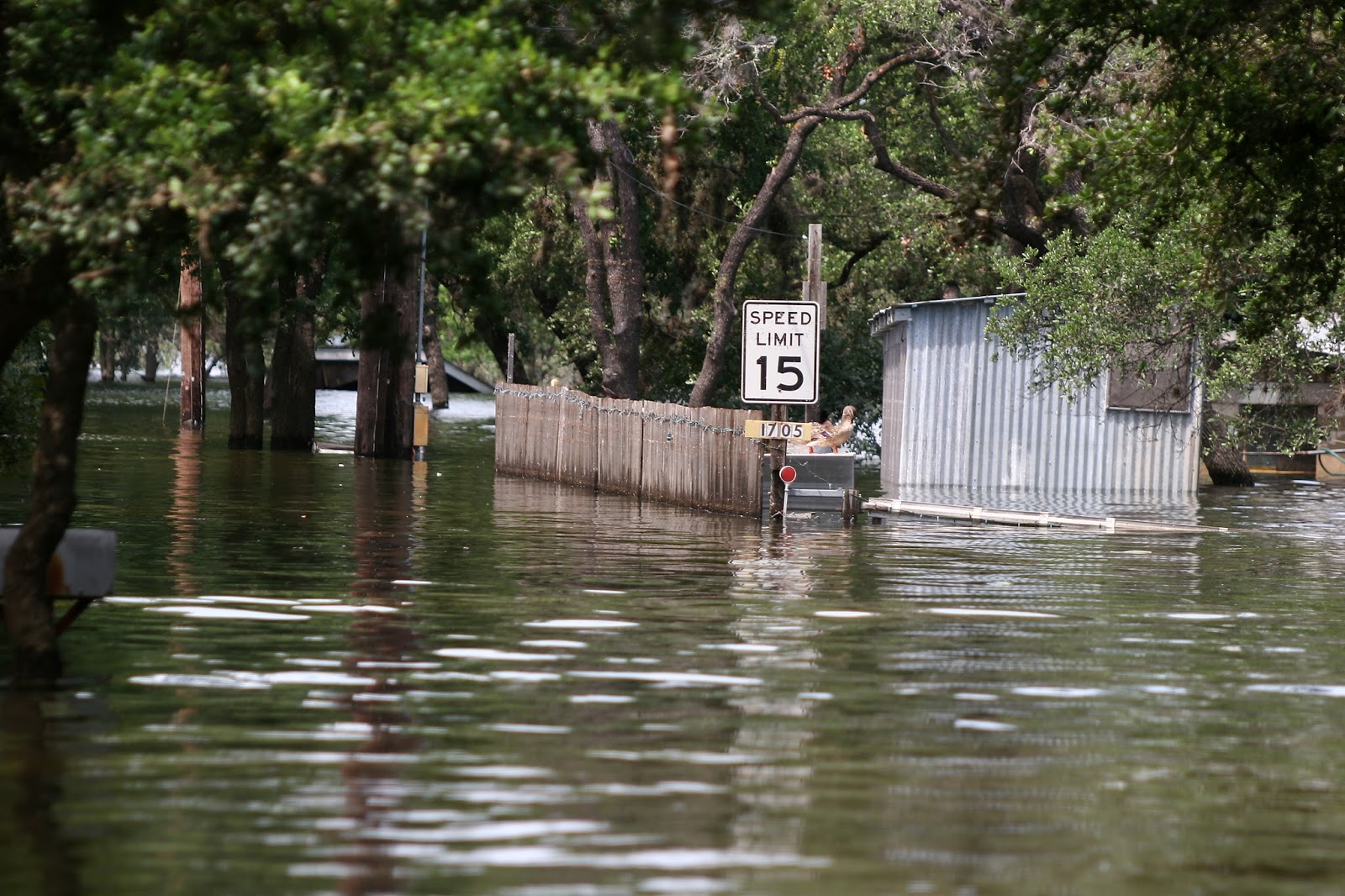
We’ve all seen the tragic news about the flooding in Texas and on the Plains. More than 20 people have lost their lives in the state and in Oklahoma since last weekend with others missing and many homes and businesses across the area destroyed.

Floods can happen anywhere and at times we don’t expect. We all need to know how to prepare. With a little effort, we can all be ready for floods.
Photo: Bob McMillan // FEMA Photo

Getting ready starts before the first drop of rain. Floods can happen even if they haven’t hit your area before, according to Ready.gov. Check with your city or town to see if there is a plan in place in case of floods.

When there is a risk of a flood, it’s always important to listen to authorities. Make sure to have a battery-powered radio to listen for updates in case you lose power. Local leaders will keep you posted with the news. They’ll also let you know if you need to head to higher ground or if you should stay put.

Floods can contaminate your tap water. The Centers for Disease Control and Prevention warns that flood waters can carry dangerous chemicals and bacteria, so make sure you have plenty of clean, safe bottled water. The Federal Emergency Management Agency recommends having at least a three-day supply of food and water for your entire house.

Have an emergency stockpile for home stored somewhere it will be safe if waters rise. Keep a bag full of supplies such as flashlights, extra batteries, a first-aid kit, medications and non-perishable food, in case you have to leave quickly. If you have canned food, make sure to include a manual can opener.
Photo: Bob McMillan // FEMA Photo

After the flood, make sure your house is safe before going back in. Watch out for mosquitoes that live near standing water. Talk to your family or a friend if you feel stressed or anxious.

Floods are scary, but with the right preparation we can all stay safe. For more ways to prepare, check out our floods fact sheet on the Get Ready campaign website.

Wednesday, May 06, 2015

Hurricanes, cyclones and typhoons! Oh, my!

Storm surge, heavy rainfall, flooding and high winds. These hazards of hurricanes sound scary, and they are. But what causes hurricanes to begin with?

When tropical ocean water warms during the summer, it heats the air above it.  Meanwhile, water evaporates from the ocean and forms clouds. In simple terms, hot air rising, clouds forming and cooler air falling is a lot of movement and energy. The more energy there is in the system, the more powerful and destructive the storm can be.

Last year we had the warmest year on record , and 2015 is heading the same way. Given the warming trend and affects of climate change, experts say we should expect more high energy storms.

Weather forecasters tell storms apart based on where they’re from. If a tropical cyclone forms in the Atlantic Ocean, it’s called a hurricane. If it forms in the West Pacific Ocean, it’s called a typhoon. If it forms in the Indian Ocean or anywhere, really, it’s called a cyclone.

Confused already? That’s OK. You can read more about them.

What’s not OK is being caught in one of these storms without supplies or a plan. Here are some things to remember:

  • Stay tuned to weather updates until all danger is past.
  • Aside from flooding from the rainfall, winds may push water toward the shore in a storm surge after the storm has passed and cause even more flooding.
  • Depending on how strong the winds are, power lines, trees and roofs may be destroyed.
  • Be prepared to evacuate. Don’t try to shelter in place if you are advised to leave.
  • Even if evacuation orders are not issued, utilities may be out. Keep in mind you may lose power and water.
  • If you evacuate, bring along hard-to-replace documents such as passports and copies of birth certificates, insurance policies and your lease or mortgage. If you shelter in place keep those documents in a waterproof container. A double zip-locked bag will work in a pinch!
  • Don’t forget to take all prescriptions and medications for all family members, including pets.
  • Speaking of our animal companions, remember to include plans for their shelter and evacuation.

APHA’s Get Ready campaign offers terrific tips for getting supplies and preparing a plan. Another great resource for hurricane preparedness information is Ready.gov, which also has tips for getting kids involved in hurricane planning.

Wednesday, April 15, 2015

In the (flood) zone with climate change

In 2014, there were eight weather-related disasters, with losses exceeding $1 billion each across the U.S. Go ahead, have a look at the list. How many of those disasters were storms and floods? Too many! The bad news is that we all live in a flood zone. According to the National Flood Insurance program “in the past five years, all 50 states have experienced floods or flash floods.”

But before we get too far into floods, let’s talk for a minute about greenhouses. Certain gases in the atmosphere — we call them greenhouse gases — help to keep Earth warm by trapping heat from the sun, just like a greenhouse does. Without greenhouse gases, Earth would be too cold to support life as we know it.

However, scientists are measuring higher-than-normal levels of greenhouse gases, which are being trapped in Earth’s atmosphere. Our greenhouse, our planet, is becoming too warm because of the increasing level of greenhouse gases. We’re not cooling off enough. As the North Pole warms up, it’s easier for high-pressure systems from the ocean to move in on cold air in the North Pole and push it south.

And that’s where climate effects such as storms and floods come in. For example:

  • Oceans are warmer: Water takes up more space as it heats and it has to go somewhere. And it’s rising up on shorelines. 
  • Global air and wind currents are warmer: When air currents of high and low energy collide, they produce storms. Warmer air means more frequent and violent storms. Warm oceans also add to overheating air and wind currents. 
  • The North Pole is warmer: Glaciers are melting into the ocean, adding to the amount of water. 

Now for some fast facts about floods:

  • Floods can come on rapidly, such as a flash flood, or slowly build up, such as a rising creek during a slow, steady rainfall.
  • Flooding can spread over large areas or occur over a small area. 
  • Floods have many causes, including rainfall, snow melt, a rising body of water or a broken dam. 
  • During a flood, shallow creeks streams or dry beds can become very deep. Roads can become torrential rivers washing away vehicles and people. Don’t get in, don’t take that chance!
  • You may see an increase of unwanted “guests” after a flood, such as mosquitoes. Mosquito bites aren’t only annoying, they can spread dengue, West Nile virus or chikungunya, among other diseases.

For tips on preparing for floods and cleaning up after, check out these tips from APHA’s Get Ready campaign.

Wednesday, March 25, 2015

Better Safe than Sorry

Today’s guest blog is by Gwen Camp, director of FEMA’s Individual and Community Preparedness Division, which organizes America’s PrepareAthon!, a grassroots action campaign that works to increase community preparedness and resilience.

If a disaster happens, do you have a plan to get in touch with family members? Are you signed up for cell phone alerts so you can stay informed? Are your emergency supplies up to date? If you answered “no” to any of these questions, then the time to get prepared is now!

The America’s PrepareAthon! campaign is here to remind you that getting prepared doesn’t have to be expensive, time consuming, or hard. The America’s PrepareAthon! website, has FREE planning guides, toolkits, and creative materials to help you plan a preparedness activity for your family or community. Hazard-specific materials are available for earthquakes, floods, hurricanes, tornadoes, wildfires, and winter storms. Many of these resources are available in other languages, including Spanish, Japanese, and French.

Twice a year, on April 30 and September 30, America’s PrepareAthon! promotes national days of action, called National PrepareAthon! Days, to bring focus to preparedness. The April 30 National PrepareAthon! Day may still be weeks away, but individuals and communities are starting to take action now.

So, get started with one or more of these 10 simple actions and don’t forget to register your participation on ready.gov/prepare. We’re over 2.5 million strong and counting!

  1. Sign up for local alerts and warnings, download apps, and/or check access for wireless emergency alerts;
  2. Develop and test emergency communications plans;
  3. Assemble or update emergency supplies;
  4. Learn about local hazards and conduct a drill to practice emergency response actions;
  5. Participate in a preparedness discussion, training, or class;
  6. Collect and safeguard critical documents;
  7. Document property and obtain appropriate insurance for relevant hazards;
  8. Make property improvements to reduce potential injury and property damage (mitigation); 
  9. Hold a scenario-based continuity of operations tabletop exercise for your organization; or 
  10. Plan with neighbors to help each other and share resources.


Thursday, March 20, 2014

Preparing for floods: A threat to life that can occur at any time

Did you know that we all live in flood zones? No matter where you live, there is a risk of flooding. While some areas have a higher risk than others, it’s important that we all be prepared. As this is National Flood Safety Awareness Week, now is a good time to stop and think about floods.
 
According to the National Flood Insurance program, “in the past five years, all 50 states have experienced floods or flash floods”. The National Oceanic and Atmospheric Administration says that about 90 people die each year in the U.S. from floods, which cause about $8.3 billion in damages.
 
Let’s look at some information about floods. Floods can come on rapidly or slowly build up. Flooding can spread over large areas or occur over a small area. The cause can be rainfall, a rising river or tide, or a broken dam or water main. During a flood, shallow creeks, streams or dry beds can become very deep. Roads can become rushing rivers, washing away vehicles and people.
Here are some plans to make before a flood:
  • Know the flood risks in your community and neighborhood. The Federal Emergency Management Agency provides free maps through its Map Service Center. Just enter your address.
  • Check out NOAA’s Spring Flood Outlook, which shows where and when flooding is most likely to occur in the U.S. over the next few months.
  • Have a plan for family communication and evacuation.
  • Store important documents such as insurance papers, passports, birth certificates, etc., in waterproof containers. A zippered plastic bag can work in a pinch.
  • Make sure your furnace, water heater and electric panel are elevated.
Some things to remember during a flood:
  • Be prepared to evacuate. If you do have to leave, follow official evacuation routes, as they are more likely to be safe. Pay attention to news reports for the latest information before heading out.
  • Don’t walk through moving water, as little as six inches of moving water can sweep you off your feet.
  • Don’t ever drive into flooded areas. Half of all flood-related deaths that occur each year are associated with vehicles, says NOAA. Even if it looks safe, it may not be.
  • Remember to take essentials such as medication, emergency supplies and important documents when you evacuate.
Some things to do after a flood:
  • Continue to check news outlets for ongoing information.
  • Stay away from downed power lines and damaged areas.
  • Clean and disinfect everything that got wet. Some things may need to be discarded, such as food.
For more information, check out Get Ready’s flood fact sheet, which is available in English and Spanish.

Thursday, July 18, 2013

Keeping food safe during flooding and power outages

Disasters can strike when you least expect them. Knowing how to properly store food ahead of time can help keep you and your family safe from foodborne illnesses.

Two of the most common emergencies that can happen in the summer are flood and power outages, both of which can affect your food and make it unsafe to eat.

Keeping food safe during power outages:

It’s important to keep meat, poultry, fish, eggs and other perishable food at or below 40 degrees and frozen food at or below 0 degrees. But how can you tell what the temperature is if the power is out? The answer is with an appliance thermometer. You should have one for both your refrigerator and freezer.

To keep your foods cooler for longer during a power outage, the U.S. Department of Agriculture advises you to keep refrigerator and freezer doors closed as much as possible. The refrigerator will keep food cold for about four hours and a full freezer will stay cold for about 48 hours, or 24 hours if it is half full. (It’s a good idea to print this information out and save it somewhere you can find it when the power goes out.)

If your refrigerator has been without power for more than four hours, discard any perishable food, USDA says. Never taste the food to test its safety!

Keeping food safe during and after floods:

After a flood, drink only bottled water, as public water supplies may be contaminated. If bottled water is not available, boil tap water for safety. Before using dishes, metal pans or utensils that have touched floodwater, wash them with hot soapy water and sanitize by boiling them in clean water.

Losing food to flooding can be devastating, particularly if you have a lot of it. It’s normal to want to save it. But it’s just not worth risking your health or the health of your loved ones.

After a flood, make sure to throw away any of the following if there is any chance it came in contact with floodwater:
  • food in cardboard boxes, paper, foil or cloth;
  • spices, seasonings, flour, sugar, grain, coffee and other staples;
  • unopened jars with wax cardboard seals, such as mayonnaise and salad dressings;
  • all canned foods; and
  • wooden cutting boards, plastic utensils, baby bottle nipples and pacifiers.
Remember: When in doubt, throw it out!

For more information, check out our Get Ready food and water safety fact sheet and get more tips on food safety from USDA.

Friday, March 22, 2013

Flood safety awareness: What to do to get ready

Photo by Liz Roll/FEMA
True or false? Floods only happen during hurricanes and in places close to sea level.
Answer: False. The truth is that floods can occur in unexpected places. According to the National Weather Service, flooding can occur in any state at any time of the year. That means you should be prepared for a flood emergency even if you don’t live close to the water.
Floods are serious business: They cause an average of $5 billion in damage annually and about 100 deaths. The majority of those deaths occur while driving, particularly during flash floods. Flash floods can be the most dangerous because they happen with little warning.
This is National Flood Safety Awareness Week, sponsored by the National Weather Service. The week is a great opportunity to make sure you and your family are ready for a flood emergency.
Here are some things you should keep in mind:
  • Do not try to cross flooded areas — the water may be deeper and moving more swiftly than it appears. If your car gets stuck in a flood, do not open the car door. Try to climb out through car windows, if possible.
  • Keep up to date on tetanus shots in case you are hurt during a flood. Adults need a tetanus booster shot every 10 years.
  • Store nonperishable food in waterproof containers in a high place. Stock one gallon of bottled water per day per person in your household, and plan on at least three days of supplies.
  • During post-flood cleanup, wear gloves and regularly wash hands in clean water — boiled, if from the tap — and soap.
Check out our Get Ready flood fact sheet so you’ll know what to do before, during and after a flood happens. Come high water, you’ll be ready!

Wednesday, February 20, 2013

New video game helps kids get ready for disasters

Are you a disaster hero? You can become one with a new game from the American College of Emergency Physicians.

Disaster Hero is an online game created to teach young people — and gamers of all ages! — about preparing for disasters. The game takes players through a series of challenges that will help them learn about preparing an emergency kit and making a disaster plan, as well as staying safe before, during and after four common natural disasters — hurricanes, tornadoes, earthquakes and floods.

Screenshot from Disaster Hero
The game is free and is designed for students in first grade and older. Anyone with a computer and Internet connection can play — no sign-up is required. Players who create a free account can save their scores and design their own character.

Have you played the Disaster Hero game? Let us know your thoughts in the comments!