Showing posts with label disaster preparedness. Show all posts

Friday, June 17, 2016

Disasters and kids: APHA shares tips for well-being

Image: FEMA/Patsy Lynch
Children find comfort in daily routines. They wake up, eat breakfast, go to school, play with friends. When emergencies or disasters disrupt their routine, kids can become confused or frightened.

So how can we help kids be more resilient before, during and after emergencies? Four of APHA’s member groups set out to answer that question during a May webinar.

Organized by the Injury Control and Emergency Services Section, Public Health Education Health Promotion Section, Maternal and Child Health Section and Mental Health Section, the webinar brought together real-world experts in community preparedness, emergency medicine and children’s mental health to weigh in.

A recording of the webinar, “Fostering Resilience in Children” is online now.

Parents can also get tips for preparing kids for disasters via our Get Ready fact sheet. Our advice? Talk with your children about the kind of emergencies that can happen and encourage them to share their fears. Reassure your children that while an emergency may be unlikely, getting prepared will help keep them and their family safe.

You can also share our kids’ preparedness fact sheet, written at their reading level, and print out our Get Ready preparedness games and puzzles.


Tuesday, May 24, 2016

Staying fit can boost both health and preparedness

Photo: Patrick Benko
The benefits of physical activity in everyday life are well known. But physical fitness can also play a big difference in how resilient you are when faced with a disaster.

Consider what happens after a large storm, for example. Your ability to move around can be hindered by fallen trees, snow or standing water. That means slippery conditions, trip hazards and major detours.

At some point, you’ll have to start cleaning up all of that storm-related mess. Trees and debris are heavy, and there will probably be a lot of it. Heat, cold, dust or mold can make what would normally be easy a herculean task. And on top of all that, you’ll have the stress and mental exhaustion that comes with coping with a disaster.

With that in mind, it’s a good idea to start thinking about how physically prepared you are for a disaster. Can you walk long distances or stand for an extended amount of time? Are you able to fill sand bags or shovel snow? What if you had to carry large items or children?

Like any other preparedness activity, the time to start is now. Begin by assessing your current physical fitness. Talk to a doctor and be honest about your starting point. Then choose an activity that you’ll want to continue.

You can even turn your physical fitness activity into a preparedness one. For example, you can:
  • garden to increase food supplies or wildfire prevention,
  • walk with neighbors to boost community ties and resiliency,
  • bicycle to have an alternative transportation option, or
  • volunteer with a local preparedness organization or Community Emergency Response Team.
No matter how you choose to physically prepare, you’ll see benefits in both your overall health and your ability to cope with disasters.

If you’re looking for a fun way to boost your fitness, APHA’s 1 Billion Steps Challenge is happening now through May 31. As you work to become healthier, you can also make a difference toward making the U.S. the healthiest nation. We’re even offering prizes! Sign up now.

Wednesday, June 03, 2015

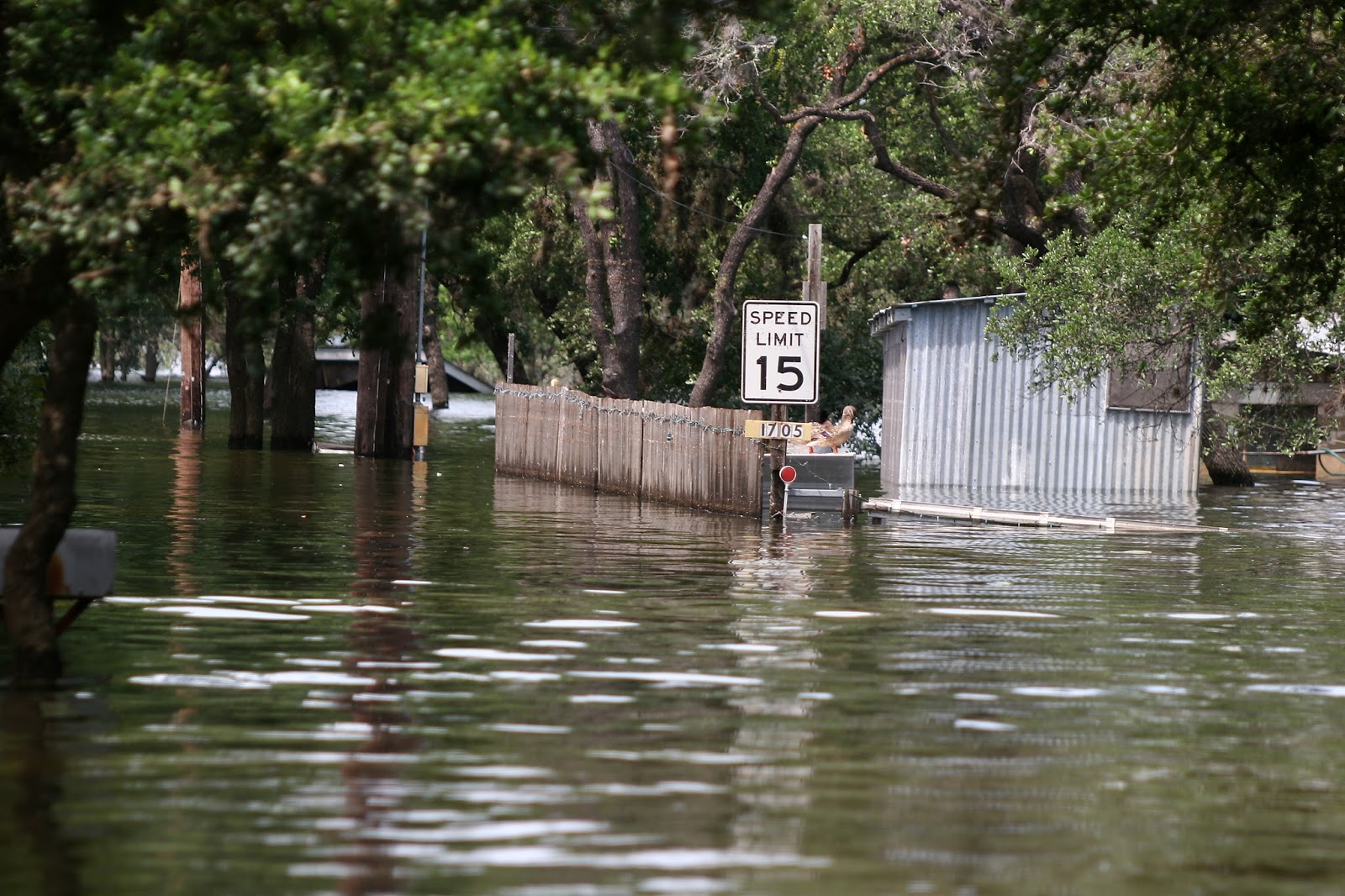
Getting Ready for Floods

We’ve all seen the tragic news about the flooding in Texas and on the Plains. More than 20 people have lost their lives in the state and in Oklahoma since last weekend with others missing and many homes and businesses across the area destroyed.

Floods can happen anywhere and at times we don’t expect. We all need to know how to prepare. With a little effort, we can all be ready for floods.
Photo: Bob McMillan // FEMA Photo

Getting ready starts before the first drop of rain. Floods can happen even if they haven’t hit your area before, according to Ready.gov. Check with your city or town to see if there is a plan in place in case of floods.

When there is a risk of a flood, it’s always important to listen to authorities. Make sure to have a battery-powered radio to listen for updates in case you lose power. Local leaders will keep you posted with the news. They’ll also let you know if you need to head to higher ground or if you should stay put.

Floods can contaminate your tap water. The Centers for Disease Control and Prevention warns that flood waters can carry dangerous chemicals and bacteria, so make sure you have plenty of clean, safe bottled water. The Federal Emergency Management Agency recommends having at least a three-day supply of food and water for your entire house.

Have an emergency stockpile for home stored somewhere it will be safe if waters rise. Keep a bag full of supplies such as flashlights, extra batteries, a first-aid kit, medications and non-perishable food, in case you have to leave quickly. If you have canned food, make sure to include a manual can opener.
Photo: Bob McMillan // FEMA Photo

After the flood, make sure your house is safe before going back in. Watch out for mosquitoes that live near standing water. Talk to your family or a friend if you feel stressed or anxious.

Floods are scary, but with the right preparation we can all stay safe. For more ways to prepare, check out our floods fact sheet on the Get Ready campaign website.

Wednesday, May 27, 2015

Blog invitado: Preparacíon marca la diferencia


Marcela Campoli, MHA, blog invitado de hoy, es una consultora negocios en Washington, D.C. Tiene experiencia en la preparación para emergencias y trabajando con los promotores de salud en la salud comunitaria y prevención. Campoli es un miembro del Comité de Igualdad de Oportunidades de la Salud de APHA.

Preparacíon puede ser la diferencia entre la vida y la muerte en un caso de desastre; sin embargo para muchos no es tan fácil llevar la teoría a la práctica, especialmente en el devenir diario de las actividades cotidianas.

La Agencia Federal de Manejo de Emergencias sugieren:

  •  Informarse sobre los peligros y emergencias que pueden afectarlo a usted y a su familia y mantenerse informado: Vivimos en una comunidad que elegimos conscientemente por su seguridad, por sus vecinos, por las escuelas, y por muchas tantas razones; sin embargo vivimos en un mundo globalizado donde los riesgos pueden alcanzarnos de muchas y variadas maneras, incluyendo derrames de materiales peligrosos, accidentes aéreos y descarrilamiento de trenes.

 Es necesario ser realista en los riesgos a los que estamos expuestos y mantener una línea de comunicación diaria con la realidad comunitaria y social a través de las noticias.

  • Elaborar un plan de emergencia: El dicho dice “prepárate para lo peor y espera lo mejor,” pero ¿para qué pensar en un tsunami cuando no vivimos cerca del mar? Por ello, el plan debe incluir esas posibles emergencias que puedan afectarnos a algunos o a todos los miembros de la familia. La lista puede empezar con aquellas a las que ya se han visto expuestos, directa o indirectamente en el pasado — tormentas de nieve en invierno, huracanes en verano, olas de calor en verano o inundaciones.

Una vez identificados los riesgos potenciales, es necesario escribir un plan con los pasos a seguir en cada situación, y comunicarlo a todos los que pueden estar involucrados, incluyendo familiares y maestros de los niños.

  • Reunir y organizar un equipo de suministros para desastre: Comprar los suministros necesarios cuando las señales de alerta han comenzado, se convierte en una pesadilla rápidamente. Por lo que es importante tener una reserva de alimentos no perecederos almacenados, agua embotellada,  lámparas, radios, bolsas de dormir, ropa de acuerdo al clima y aquellos artículos de uso específico de la familia, como medicina. Las mascotas son parte de la familia, es necesario tener reservas para ellos también.

Al preparar los suministros, es importante mantener en el auto, una mochila — impermeable en lo posible — con una porción de mismos suministros mencionados con anterioridad. Es importante recordar los documentos importantes y dinero en efectivo. Siempre es bueno hacer una lista adicional de aquellas cosas que es necesario recoger a último momento.

  • Saber dónde buscar refugio para protegerse de todo tipo de riesgos: Al hacer la lista de los posibles refugios a los que acudir en el barrio o la comunidad, es conveniente que tenga al menos dos teléfonos y direcciones de amigos y familiares fuera del estado, en caso de una evacuación.
  • Identificar los sistemas de advertencia y las rutas de evacuación en su comunidad: Debo conseguir mensajes de texto de alerta en el celular y correos electrónicos en la computadora. Muchos gobiernos locales lo ofrecen gratis. Recorra su barrio e identifique las rutas demarcadas de fácil salida del área. Considere que tipo de transporte que utlizaría.
  • Incluir en su plan la información requerida de los planes comunitarios y escolares. Determinar un lugar y hora de encuentro para facilitar la evacuación conjunta.
  • Practicar y mantener su plan: Realizar un simulacro y que en él participen los niños es fundamental para entender si el plan funciona, ya que algunas acciones pueden corregirse y aprenderse de manera de reaccionar naturalmente durante la emergencia. Lo más importante es entender que ante una situación de emergencia es necesario conservar la calma.

Preparacíon puede ser la diferencia entre la vida y la muerte en caso de una emergencia, sin embargo es necesario fomentar la cultura de la protección civil entre los miembros de la familia y la comunidad — y esta es una tarea diaria.

Para obtener más información, visita nuestra hojas informativas de Get Ready. Lea este publicacíon en inglés en el Get Ready Blog de APHA.

Guest blog: Preparedness makes a difference

Today’s guest blog is by Marcela Campoli, MHA, a Washington, D.C.-area business consultant. She has experience in emergency preparedness and working with health promoters in community health and prevention. Campoli is a member of APHA’s Equal Health Opportunity Committee.

Preparedness can be the difference between life and death in a disaster. However, it’s not always easy to put that idea into practice, especially in the daily course of everyday activities.

The Federal Emergency Management Agency suggests that you:

  • Be informed about hazards and emergencies that may affect you and your family and stay informed: We live in communities that we chose for their safety, for neighbors, schools and for many other reasons. Yet we live in a globalized world where hazards can reach us in many and various ways, including hazardous material spills, plane crashes and train derailments. You need to be aware of the risks. Keep track of what is happening at the community and global level through the news. 
  • Develop an emergency plan: As the saying goes "Be prepared for the worst and hope for the best.” But would you think of a tsunami if you don’t live near the sea? Your plan should include all possible emergencies that may affect some or all family members. The list can begin with disasters that you have already been exposed to directly or indirectly in the past — winter snow storms, summer hurricanes, summer heat waves or floods.

Once you’ve identified your risks, write down a plan with specific steps to follow in each situation. Inform all who may be involved, including family members and children’s teachers.

  • Collect and assemble a disaster supply kit: Buying supplies after warning signs of a disaster occur quickly becomes a nightmare. So it is important to have a store of nonperishable food, bottled water, lanterns, radios, sleeping bags, weather-appropriate clothing and other family items, such as medicine. Pets are part of the family, so it’s necessary to have supplies for them, too.

It’s also important to keep a backpack — waterproof if possible — in your car with some of the same items mentioned above. Remember important documents and money. Make a list of additional things that need to be collected at the last minute.

  • Know where to seek shelter from all types of hazards: Make a list of potential shelters to turn to in the neighborhood or community. Know at least two phone numbers and addresses of family and friends out of state in case of an evacuation. Consider what transportation you would use. 
  • Identify warning systems and evacuation routes in your community: Sign up to get alert text messages on your cellphone and via email. Many local governments offer such services for free. Walk through your neighborhood and identify emergency routes that would facilitate evacuation. 
  • Include information from your community and schools in your preparedness plan. Set a meeting place and time where your family can meet up to make the evacuation together easier.
  • Practice and maintain your plan: It’s critical to involve your kids in the plan to determine if the plan works. Correct and actions and learn how to react naturally during an emergency. Remember that in an emergency, you need to stay calm. 

Preparedness can be the difference between life and death in an emergency. It’s important to develop a culture of preparedness among the members of your family and community. This must be a daily activity.

For more information on preparing for disasters, check out our Get Ready fact sheets.  Read this post in Spanish on APHA’s Get Ready Blog.


Monday, November 24, 2014

Bring preparedness to the dinner table this Thanksgiving

It’s almost here: that moment when the turkey is stuffed and roasted, the potatoes are mashed and the cranberry sauce is plated. And then it’s quiet, as family and friends take the first bite of the meal they’ve looked forward to all year. But, if you’re like most families, that silence won’t last long. Before the football game and sales at the mall, Thanksgiving is a time for catching up, connecting and talking with those you love over a great meal.

So what will you talk about with your family at the dinner table this year? At Get Ready, we think there’s no better time to chat about preparedness. Here are some preparedness Thanksgiving questions and topics to get your family talking:
  • This year, were there times that you needed to be prepared? How did it go?
  • What are you thankful you knew about preparedness this year?
  • Where do you and your family feel the least ready for an emergency? How can you better prepare yourself for those times?
  • Did you get a flu shot?
You can also spend some time this holiday on preparedness activities. A few suggestions:
  • Get Ready trivia: Make preparedness fun. Grab some of the Get Ready fact sheets and quiz your family on what to do in case of an emergency. Check out our info on winter storms, and Ebola.
  • Check your stocks: You’ve already got the canned goods out from preparing a tasty meal. Take this time as a family to add any extra preparedness supplies to your emergency stockpile kit.
  • Keep the kids busy with our Get Ready games and puzzles.
Get the conversation going and share with us what you learn. How will you make preparedness a part of your Thanksgiving?


Monday, May 05, 2014

Preparing for disasters: What pregnant women and families with infants need to know

From vaccinations to home safety-proofing, pregnant women and parents with infants have a lot on their to-do lists. But there's another must-do for moms and parents: disaster preparedness planning. Disasters can be stressful for everyone, but if you're pregnant or have an infant, there are special things you need to know to be ready.
 
Luckily — just in time for Mother’s Day — APHA's Get Ready campaign and the March of Dimes California Chapter have partnered to release a series of fact sheets to help pregnant moms and families with infants prepare for emergencies. The six new fact sheets address ways that pregnant women and young families can prepare for emergencies such as tornadoes, earthquakes, hurricanes and wildfires. A general fact sheet for pregnant women and families with infants is also available in Spanish.
 
The fact sheets include information aimed especially at pregnant women and families and with infants, such as special supplies they need to have in their disaster preparedness kits. For example, pregnant women should have scissors and sterile gloves in their kits in case of an emergency birth, and families with infants should stock ready-to-feed formula, even if the baby is breastfed. (While breastfeeding is best, disasters can interrupt your breastfeeding schedule.)
 
Read, print and share the new fact sheets from the Get Ready website, and share them in your community! (You can even add your group's logo!) While you're on our site, check out our podcast with the March of Dimes, and read our Q&A.
 
Have more questions about preparedness? Join Get Ready and the March of Dimes on May 14 at 2 p.m. ET for a Facebook chat! Our experts will be on hand on APHA’s Facebook page to answer your questions.
 
And don't forget to enter our Get Ready Tips from Tots Preparedness Photo Contest. Your baby could star in our new calendar!