Showing posts with label flu season. Show all posts

Wednesday, August 05, 2015

Herd immunity. Heard of it?

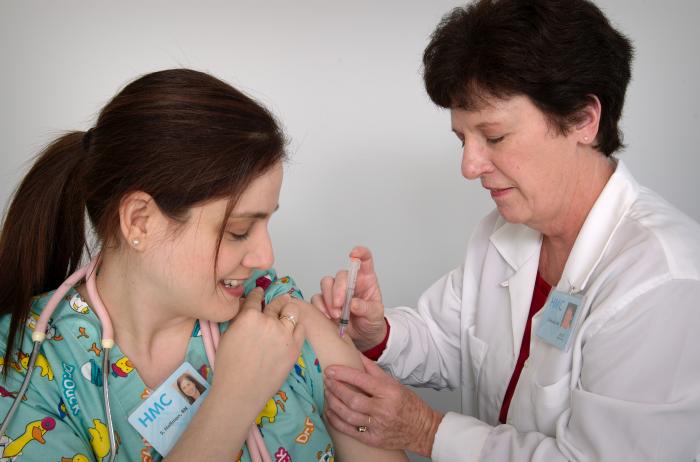
August is National Immunization Awareness Month!  Watch out for more updates on vaccines coming soon! 

Image credit // Toby Amodeo
You probably know that vaccines protect your body from catching a disease. Many people get vaccinated to protect themselves. But did you also know that getting vaccinated could protect your friends, family and even strangers in your community as well?

Getting vaccinated doesn’t just prevent you from getting sick. It also stops you from spreading a disease to your friends and family. The same goes for other people. If your neighbors get vaccinated, it will keep them and those around them safe as well. If your entire block gets vaccinated, it will protect those people and people on the next block over. And if a whole lot more people get vaccinated, that’s when the “herd” idea comes in.

The National Institute of Allergy and Infectious Diseases says that herd immunity, also known as community immunity, is when the majority of people in a community get vaccinated. 

Image credit // CDC / Judy Schmidt
People who get vaccinated are also protecting people who can’t get vaccinated, like newborns or those whose immune systems don’t work well. The more people who get vaccinated, the safer everyone else will be.

Everyone can play a role in improving their health and those around them by getting vaccinated.  Check out our free Get Ready fact sheet on vaccinations here!

Protect your community and join the herd!

Friday, February 21, 2014

What to know and do about flu

Today’s guest blog is by Michael Jhung, MD, MPH, MS, a medical officer for the Surveillance and Outbreak Response Team in the Influenza Division, National Center for Immunization and Respiratory Diseases, at the Centers for Disease Control and Prevention.

On Feb. 20, CDC announced that the current flu season has been hard on young and middle-aged adults, with people ages 18-64 accounting for 61 percent of flu hospitalizations. CDC noted that the season is still ongoing and it’s not too late to get a flu shot.

Winter is in full swing and flu activity is elevated nationwide. Getting a flu vaccination now may still help protect you from becoming sick this winter and spring. In fact, the Centers for Disease Control and Prevention recommends that flu vaccination continue into February and beyond, as long as flu viruses are circulating.

Should you get the flu vaccine if you’ve already been sick with the flu this season? Yes. Even if you’ve had the flu, it is possible to get it again. Many different types of flu viruses circulate each winter and spring, and getting vaccinated now may protect you from one of the other flu viruses to which you may be exposed.

Even healthy people can benefit from a flu vaccine. Getting vaccinated protects you and those around you, especially people who are at high risk for flu complications, such as people with chronic disease, seniors, pregnant women and young children. Babies under 6 months are too young to get vaccinated, so the best way to protect them is for everyone around them to get vaccinated.

In addition to getting vaccinated, you can take everyday preventive actions to help reduce the spread of germs. Try to avoid contact with people who are sick. If you or your child gets sick, stay home from work or school. Cover your coughs and sneezes with a tissue and throw the tissue in the trash. Wash your hands often with soap and water or use hand sanitizer to keep from spreading flu to others.

Flu symptoms usually come on suddenly and include some or all of these: fever or feeling feverish/chills, cough, sore throat, runny or stuffy nose, muscle or body aches, headaches and fatigue. Some people may have vomiting and diarrhea, though this is more common in children than adults. It’s also important to remember that not everyone with flu will have a fever.

If you get the flu, prescription antiviral drugs are a treatment option. Many people can benefit from taking antiviral drugs like Tamiflu that can shorten the time you are sick and lessen the severity of symptoms. Antiviral medicines work best when started soon after symptoms develop, so people — especially high risk groups — should seek medical care ASAP.

Flu can be a very serious disease. Do your part to protect against the flu and encourage others to do the same.

Find a flu vaccine provider at http://vaccine.healthmap.org/. Join @CDCFlu and APHA’s @GetReady on social media to share the news of your vaccination by posting a message using #vaxwithme. In doing so, you will help remind and encourage others to get vaccinated.

Friday, January 24, 2014

Get the facts about the Flu and Flu Vaccine

Today’s guest blog is by Michael Jhung, MD, MPH, MS, a medical officer for the Surveillance and Outbreak Response Team in the Influenza Division, National Center for Immunization and Respiratory Diseases, at the Centers for Disease Control and Prevention. 
 
I bet you’ve heard a statement or two about seasonal flu and the flu vaccine and wondered if it was true or not. To help you make sense of those statements, I’d like to explain some of the important facts about seasonal flu and flu vaccination.
 
Flu vaccines cannot give you the flu. The flu vaccine contains viruses that are either killed or weakened, which means they cannot cause infection. There are even some flu vaccines that contain no flu viruses at all. Sometimes, though, people mistake the mild side effects from vaccination for actual flu illness and, at other times, people can still get the flu even after they’ve had the flu vaccine. Common flu shot side effects are a sore arm and, sometimes, a low fever or achiness. The nasal spray flu vaccine might cause congestion, runny nose, sore throat or a cough. Side effects are often mild and last one to two days.


CDC/James Gathany
Flu can be a very serious disease.
Some people are at a higher risk of complications from flu that can result in hospitalization and sometimes death. This includes young children, pregnant women, older adults and people with certain chronic health conditions, asthma, diabetes or heart disease. Keep in mind though that even healthy children and adults can get sick with flu and spread it to others. Getting vaccinated is the best protection against influenza, even if you’ve already had the flu this fall or winter.
 
You need to get a flu vaccine every year. The Centers for Disease Control and Prevention says annual vaccination for everyone 6 months and older is necessary because flu viruses are constantly changing, and flu vaccines may be updated from one season to the next to protect against the viruses research indicates will be most common during the upcoming flu season. Additionally, a person’s immune protection from the vaccine declines over time. It’s important to remember that some children 6 months through 8 years will need two flu vaccines spaced at least 28 days apart during their first year of vaccination.
 
As long as the flu is circulating, flu vaccination should continue. A flu vaccination protects you and those around you. Seasonal flu usually peaks in January or February, but can occur as late as May. If you haven’t gotten your flu vaccine yet, find a vaccine provider near you at http://vaccine.healthmap.org/.
 
Join @CDCFlu and @GetReady on social media to share the news of your vaccination by posting a message using #vaxwithme. In doing so, you will help remind and encourage others to get vaccinated – it’s the best protection.

Friday, January 10, 2014

The benefits of getting your flu vaccination

Winter — aka flu season in the U.S.— is here and let’s face it, the flu is no fun. Fever, cough, aches, pains: ugh! Luckily, there’s a great way to help prevent all that. Namely, a flu vaccination.
 
Let’s focus for a moment on why you should get your flu vaccine. First off, for some people, the flu is more than just “no fun,” it’s dangerous. People at high risk for serious complications from the flu include seniors, young children, pregnant women and people with certain health conditions, such as asthma, diabetes or heart disease.

FluMIst (CDC/ Douglas Jordan, M.A.)
According to the Centers for Disease Control and Prevention, there were more than 31 million flu-related illnesses last flu season in the U.S. and 381,000 people were hospitalized because of them.

Secondly, the flu can be deadly. Thousands of deaths from flu occur every year and, sadly, 169 were among U.S. children last season.
 
What can you do? Get your flu vaccination. It’s not too late! The flu vaccination is recommended for everyone ages 6 months and older and comes in a variety of options, including nasal and egg-free versions. There’s even one that’s injected under the skin with a small needle, for those who are squeamish.
 
When you get vaccinated against the flu not only do you lower your chance of getting it, you lower the chance of spreading it to children and other at-risk people you care about. And if you do get the flu, your symptoms won’t be as bad and you’ll get well faster.

At least six children have already died from the flu this season, according to CDC. Flu cases are occurring in every state, with many states reporting widespread flu activity. There have also been reports of severe respiratory illness among young and middle-aged adults infected with a type of flu virus known as pH1N1.

The good news is that vaccinations prevented more than 6 million flu-related illnesses last season in the U.S. They also prevented 79,000 people from going to the hospital because of the flu — enough to fill a large football stadium! Let’s all do our part to get those numbers higher this year. Find a flu shot vaccination location near you and sign up to track the flu in real time in your community.

Monday, December 09, 2013

Flu season is here: Vaccination is your best protection

Dr. Michael Jhung,
medical officer for the influenza division,
Centers for Disease Control and Prevention
Today’s guest blog is by Michael Jhung, MD, MPH, MS, a medical officer for the Surveillance and Outbreak Response Team in the Influenza Division, National Center for Immunization and Respiratory Diseases, at the Centers for Disease Control and Prevention.

The most recent Centers for Disease Control and Prevention data show nearly all states reporting some level of flu activity. While flu activity nationally remains low, it has been increasing and is likely to continue rising in the coming weeks. If you have not already gotten a flu vaccine this season, you should do so now. The flu vaccine is the best protection against the flu and any potential serious complications.

In the United States each year, on average, 5 percent to 20 percent of the population gets the flu and more than 200,000 people are hospitalized from seasonal flu-related complications. Last flu season was a stark reminder of how severe influenza can be. There were high influenza hospitalization rates, especially in the elderly. CDC saw the highest proportion of persons 65 and older hospitalized for flu since tracking began during the 2005-2006 season. And sadly, the number of pediatric deaths was one of the highest since flu tracking began.

For these reasons, CDC recommends that everyone 6 months and older receive an annual flu vaccination. It is especially important that people at high risk of flu-related complications get vaccinated. This includes pregnant women; children younger than 5, but especially those younger than 2 years; adults 65 and older; and people with chronic diseases such as asthma, heart disease and diabetes. Also, it’s especially important that people living with or caring for people who are at high risk of flu complications be vaccinated; this includes health care professionals and those living with children younger than 6 months of age, as they are too young to be vaccinated.

The good news this year is there are more flu vaccine options than there have ever been. CDC does not recommend one type of flu vaccine over the others; the important thing is to get vaccinated. To find vaccine near you, visit http://vaccine.healthmap.org.
Join @CDCFlu and @GetReady on social media to share the news of your vaccination by posting a message using #vaxwithme. In doing so, you will help remind and encourage others to get vaccinated — it’s the best protection.

Thursday, January 17, 2013

New podcast: Flu season update from CDC

A potrait of Dr. Michael Jhung from the CDC
Dr. Jhung, MD, MPH, MS,
Medical Officer for the CDC
Have you noticed that a lot of people are talking about the flu right now? It’s on the news, and as more people come down with the flu this year, it’s on everyone’s minds, too.

More than 40 U.S. states are reporting widespread flu activity in what has turned out to be an early start to the 2012-2013 flu season. The Get Ready campaign spoke with Michael Jhung, a medical officer for the U.S. Centers for Disease Control and Prevention, to get the scoop on this year’s flu season in the latest episode of our Get Ready Report podcast.

Jhung said that this year’s flu season is off to “quite an early start,” and that this year could turn out to be worse than last year’s flu season.

Why worry about the flu? Jhung reported that the flu kills anywhere between 3,000 and 49,000 people in the U.S. each year, and makes thousands more severely ill.

“Influenza puts several hundred thousand people into the hospital every year in the United States,” he said. “Even if you don’t end up in the hospital with influenza, it’s really a miserable experience to be pretty much incapacitated for the few days to week of influenza symptoms.”

If you’ve been lucky enough to avoid the flu so far this year, you can increase your chances of staying healthy by getting a flu shot. That’s right — it’s not too late!

“There is a lot of flu activity out there right now, and there is every reason to go out and get vaccinated if you haven’t been vaccinated already,” Jhung said.

If you are looking for the flu shot, check flushot.healthmap.org to find a location near you.

Jhung also explains during the podcast why some flu seasons are worse than others, and talked about how the CDC monitors flu every year. Plus, he has other useful tips for keeping yourself healthy after you’ve gotten your flu shot.

Check out the podcast for more helpful information about the flu. You can listen to the episode or read the full transcript. And don’t forget to subscribe to our podcast for free via iTunes!

Monday, December 10, 2012

APHA announces winners of its Flu Near You Challenge

Over the past year, the Get Ready campaign has promoted APHA’s Flu Near You Challenge, a contest that asked Association members to recruit users into the Flu Near You tool. More than 900 APHA members and 100 affiliated state and regional public health associations pitched in to help spread the word about Flu Near You, helping to recruit thousands of people into the system.

Flu Near You's new smartphone app
makes it easy to report your symptoms
and check flu reports near you.
APHA is excited to announce that 10 members received awards for recruiting the most users into Flu Near You: Tom Engle, RN; Ted Marak; Ken Rosenberg, MD, MPH; Jeneane Moody, MPH; Farideh Kioumehr, DrPH, DVM; Kathy Johnson, MPH; Lois Uttley, MPP; Rebecca Gluskin, MS; Patricia Terstenyak, MPH; and Chelsey Matter.

Although there were not enough surveys collected for awards to be made in the group challenge category, APHA recognized the Public Health Nursing Section, Oregon Public Health Association and Rhode Island Health Association for their hard work.

Even though APHA’s Flu Near You Challenge is over, Flu Near You is still going strong! Thanks to everyone who participated in Flu Near You over the past year, organizers have made many improvements, including creating a Spanish version of the survey and launching a smartphone app.

If you’re not already using Flu Near You, now is a great time to sign up. It’s free, and it’s a great way to find out if flu is headed your way. Sign up today so you can keep track of the flu this winter!

Monday, November 19, 2012

Get Ready Mailbag: What kind of flu shots are there?

Welcome to another installment of the Get Ready Mailbag, when we take time to answer questions sent our way by readers like you. Have a question you want answered? Send an email to getready@apha.org.

Q: There are so many kinds of flu shots this year — how do I know which one is right for me?

A: We're glad you're planning on getting your flu shot. Every year there is a different combination of flu strains in the vaccine. This year’s flu shot is different than last year’s formula, so the shot you got last year will not protect you.

And you’re right about the kinds of flu shots - there are more options than ever!  But there’s no reason to be confused. Here’s a breakdown of the different kinds of flu vaccinations options that are available in the U.S. this year:
  • Injection: This is the most common type of flu vaccination. If you’ve had a flu shot before, you know what to expect: You’ll get a small amount of flu vaccine injected into your muscle (usually your deltoid, or shoulder).
  • Nasal: The flu vaccine is also available as a nasal spray,  though it should not be used by pregnant women or those with certain conditions, such as asthma.
  • Intradermal flu shot: For people afraid of needles, this is the flu shot for you! The needle is much smaller on this type of shot, and the vaccine is delivered intradermally (under your skin) instead of in your muscle like the regular flu shot. This option can cost extra, so check with your doctor or pharmacy.
  • High-dose flu shot: The high-dose flu shot is made for people 65 and older. It has a stronger dose of medication than the regular seasonal flu shot.
  • Preservative-free, single-dose flu shot: Normally the flu-shot — like many other vaccines and injections — comes in a multi-dose bottle with a small amount of preservative known as thimerosol to help the vaccine stay fresh for longer. Some people prefer preservative-free flu shots. These are more expensive, come packaged in a single dose and usually have to be ordered ahead of time.
Remember that whichever type of flu vaccine that you choose, it will protect you against three strains of flu.

The best time to get your flu shot is early in the flu season, before flu is widespread in the community, because it can take up to two weeks for the flu shot to fully protect you. And don't forget to practice good hand hygiene and cold and flu etiquette year-round!

We hope this has helped you decide what flu shot is right for you. If you need to find out where to get your flu shot, check out HealthMap's Flu Vaccine Finder.

Wednesday, September 26, 2012

Back to school? Tips for keeping your family healthy!

With kids — and adults! — heading back to school, now is a perfect time to start getting ready for flu season. Here are the top six things you can do to keep you and your family healthy this fall:

1. Get your flu shot as soon as possible. The Centers for Disease Control and Prevention recommends that everyone ages 6 months and older get a seasonal flu shot every year. This year, the flu shot covers two new strains of the flu, which means that last year’s shot won’t cover you for the types of flu that are predicted to be most common this fall. If you don’t know where to go to get your flu shot, check out HealthMap’s Vaccine Finder to find a location near you!

2. Make sure your children are up to date on their other shots. Your child’s school will provide you with a list of required vaccinations that is based on CDC immunization schedules for children and teens.

Childhood vaccinations are especially important this year because the U.S. is experiencing large outbreaks of diseases that can normally be prevented with vaccines. For example, 46 states have reported higher than average cases of pertussis, also known as whooping cough, in 2012. Pertussis is a serious disease that can be deadly, especially for young children.


3. Make sure you are also up to date on your shots. Did you know that adults sometimes need booster shots, too? For example, the Tdap vaccine is a common adult booster shot that protects against tetanus, diphtheria and pertussis. It’s recommended that adults get one Tdap booster, especially if they will be around newborn babies or if it’s been more than 10 years since their last booster shot.

If you’re not sure if your immunizations are up to date, you should talk to your health care provider. CDC also has a vaccine quiz that can help you figure out what shots you might need to get.

4. Practice good hand hygiene — and teach your family to do the same. We have lots of great fact sheets about hand-washing for children and adults!

5. Stay home if you are sick. If you have children, make a plan for how you’d care for them if they have to stay home from school.

6. Sign up for Flu Near You. Do you know that APHA is partnering on a cool flu reporting tool that lets you detect and report symptoms of flu? All you have to do is sign up at www.flunearyou.org, and once a week you’ll get an email that asks, “How are you feeling?” After you fill out a 10-second survey about your symptoms, you will see a map of your area that shows if people around you have flu-like illness. This is a great way to be a disease detective and learn about flu in your community.


What steps are you taking to keep you and your family healthy this year? Do you have any other tips? Let us know in the comments!

Friday, June 01, 2012

2011-2012 flu season is officially over

Welcome to our last Flu Friday post of the season!

This week, the Centers for Disease Control and Prevention announced that the 2011-2012 flu season has officially ended. The season is usually declared over when low numbers of people go to the doctor for flu-like illnesses.

In its final FluView report, CDC stated that the “late and mild flu season” has set the record for the lightest and slowest-starting flu season since it started tracking the flu in 1997.

Officials aren’t sure why the flu season was so mild this year, but they think it might have something to do with the warm winter, the fact that many of the flu viruses circulating this year were also around last year and the fact that more people in the U.S. have gotten their annual flu shot.

This doesn’t mean that we’re totally flu-free now. As CDC wrote in its FluView report, “The late start of this season and the fact that flu viruses circulate year-round in the United States means that some flu activity will likely continue to occur in the coming weeks.”

Yes, you can still get the flu in the summer! If you’re helping us track the flu with our FluNearYou tool, we’ll still send out the weekly “How Are You Feeling?” emails.

Be sure to stay healthy this summer by practicing good hand-washing. And don’t forget to check out our new Summer Safe series, where we’ll bring you tips to stay healthy so you can have fun all summer long!

Friday, April 20, 2012

Flu Fridays: How is the flu shot made? (Part 2)

Happy Flu Friday!

In our previous Flu Friday post, we talked about the process of deciding what types of flu will be covered by the seasonal flu shot. Today, we’ll take a closer look at how the shot is made each year. But first, here’s a little background on how vaccines protect you from diseases.

Vaccines work by tricking your body into thinking it has an infection. This is because vaccines contain dead or weakened forms of the bacteria or virus that they are trying to protect you from. Even though these bacteria or viruses are too weak to make you sick, when your body notices these invaders, the immune system kicks in. Your body builds up defenses against the invaders so that when you come in contact with a full-strength virus such as the flu, your body already knows how to fight it off.

There are two ways to get your flu vaccination: Via a shot or a nasal spray. Flu shots have inactive — or dead — viruses, while the nasal spray form of the vaccine contains weakened viruses. Whether you get your vaccine in a shot or a nasal spray, the vaccine helps your body prepare to fight the most common strains of flu each season.

But back to the making of the flu vaccine: As we discussed previously, seasonal flu vaccines contain three strains of viruses. After the strains of flu are chosen, scientists then have to grow enough of the viruses to make millions of doses of the flu vaccine that are used every year. This process can take up to six months or more because the viruses are grown in a very delicate place: The inside of a chicken egg!

[Flu researcher inserting virus into a chicken egg.
Image courtesy CDC/Taronna Maines]
In the lab, viruses are injected into each egg, and then the eggs sit at a perfect temperature for the virus to spread. After a few days, the viruses are removed from the egg and killed. Proteins from the dead virus are separated out. It’s these proteins that go into your flu shot. (Even if you have an egg allergy, the flu vaccine is probably safe for you — here’s why: http://getreadyforflu.blogspot.com/2012/01/get-ready-mailbag-can-people-with-egg.html)

Labs around the world start working on the vaccines during the summer months so that the seasonal flu vaccine is ready to go by the start of the flu season in the fall or winter. After you get your flu shot, it takes a few weeks for your body’s immune system to protect you from the flu, which is why it’s best to get your seasonal flu vaccine as soon as it becomes available!

Friday, April 06, 2012

Flu Fridays: How is the flu shot made? (Part 1)

Happy Flu Friday! Here at Get Ready, we spend a lot of time talking about the importance of getting your flu shot every year. But have you ever wondered how the vaccine is made?

There are actually two parts to making a flu shot: First, experts decide what types of flu will be included in the flu shot for the next year. Then, vaccine manufacturers start making the flu shots so that by the time the next flu season starts, millions of doses will be available. Today we’ll talk about the first part of the question: How do they decide what goes into a flu shot?

Image courtesy
CDC/ Doug Jordan, M.A.
Every year, in more than 100 countries around the world, health workers and scientists collect samples from people who are sick with the flu. These samples are sent to five international labs, chosen by the World Health Organization, that test the samples and find out what strains of influenza are most common. (In case you were wondering, the five labs are in the U.S., England, Australia, China and Japan.)

In the beginning of the year, WHO calls a big meeting with all of these international flu researchers. They figure out which types of influenza viruses were most common over the past year and then decide which strains should be included in the next seasonal flu shot. The formulas can change every year, which is why it is important that you get a new flu shot every season.

This big WHO vaccine composition meeting just happened in February. Participants decided that next year’s flu shots should protect people against two kinds of influenza A, H1N1 and H3N2, and one kind of influenza B. To learn about the difference between influenza A and B, check out our blog post about what causes the flu. You can also learn more about the vaccine selection process from the Centers for Disease Control and Prevention.

Once WHO makes its recommendations, vaccine companies around the world start making flu vaccines for the next season. While WHO recommends specific vaccine viruses for vaccine production, each country makes its own decision for vaccine licensing in its country. Making the new vaccine can take six to nine months, which means that companies are already starting to make your flu shot for next year!

Want to learn more? Check out Part 2 on how the flu shot is made, where we take a closer look at the flu shot manufacturing process.

Friday, March 23, 2012

Flu Fridays: 2012 flu, where are you?

Happy Flu Friday!

It’s March, and normally the winter flu season in the U.S. would be winding down. This year is different: Flu cases are still on the rise this year after a very late start.

Every year, the U.S. Centers for Disease Control and Prevention announces the start of the flu season based on testing done around the country. When people go to their health provider complaining of a flu-like illness, they often get tested for the flu. When more than 10 percent of sick people test positive, that’s the official “start” of the U.S. flu season.

This year, the flu season didn’t officially start until February, which CDC calls “the latest start to a flu season in the past 29 years.” Since then, cases have been slowly rising. Last week, more than 23 percent of sick people around the country tested positive for the flu.

Why is the flu season off to such a slow start? Influenza is unpredictable, but there could be a few reasons. Abnormally warm weather around the country could have made it harder for the flu virus to survive. Also, the number of people getting seasonal flu shots increased in 2011, so that could help explain why less people have come down with the flu this year.

Public health officials aren’t sure if the 2011-2012 flu season will get worse in the coming weeks or if the season will end with a surprisingly low number of infections. The good news is that the viruses going around this year — H1N1, H3N2 and influenza B — are all covered in the seasonal flu shot. So no matter what happens, if you haven’t gotten your flu shot yet, there’s still time!

You can visit the CDC Flu Activity page  to learn more about the current flu season. You can also help map the flu season this year even if you aren’t sick — check out our Flu Near You tool to report your symptoms and find out if there is flu in your neighborhood.
IMAGE: Map from Flu Near You of user-generated reports to the Flu Near You system.
Flu Near You screenshot courtesy Flu Near You

Friday, February 24, 2012

Flu Fridays: Top five flu myths

Welcome back! Our topic for this Flu Friday is a fun one — we’re going myth-busting.

There are tons of rumors and myths about the flu, and here at the Get Ready campaign, we’ve probably heard them all. The key to being prepared in any situation is accurate information, so to help you get ready to fight the flu, we want to set the facts straight.

1. Myth: Cold weather causes the flu.

Truth: This is an age-old myth, but the truth is that cold weather itself does not cause people to be sick.

However, it is true that more people get sick with the flu in the colder months. This is because viruses that cause the flu can live longer when the temperature is cooler. In the end, more viruses can mean more people getting sick — the flu virus doesn’t care if you’re wearing a scarf or not. We still think you should listen to your mother anyway — just make sure to get your flu shot, too!

2. Myth: The flu is just a bad cold.

Truth: Many people see the flu as no big deal, but flu can be a very serious illness.


The Centers for Disease Control and Prevention reports that since 1976, an average of 25,500 people a year have died from the flu and its complications. Flu also sends hundreds of thousands of people to the hospital every year.

The flu is especially serious for the elderly, pregnant women, young children, smokers and for people with asthma, heart disease, diabetes and other conditions. CDC has more information about people at high risk for the flu.

3. Myth: Vitamin C can protect you from the flu.

Truth: Vitamin C, herbal supplements and other “folk” remedies won’t stop you from getting the flu.

Have you ever been told to drink lots of orange juice or take extra vitamins as soon as you start feeling sick? Unfortunately, there is very little proof that vitamin C or other herbal supplements will prevent you from getting sick or reduce the severity of your illness once you get the flu. What’s more, taking very high doses of vitamin C, over 2 grams per day, could cause diarrhea and increase your risk for kidney stones.

The most effective way to prevent the flu is to get a flu shot every year. For more tips on staying healthy, check out our blog post on “Four things to do to prevent the spread of flu.”

4. Myth: Healthy people don’t need a flu shot.

[Image: Flu Vaccine,
courtesy CDC/Doug Jordan, M.A.]


Truth: CDC recommends that almost everyone in the U.S. who is 6 months of age and older get a flu shot every year.

Healthy people can and do become seriously ill if they get the flu. Getting your flu shot every year is important because it can prevent needless suffering. Why get sick and miss work or school when you can prevent the flu?

Even if you don’t fall into one of the high risk groups for the flu, chances are you know someone who does. Getting your flu shot will not only prevent you from getting sick, it will prevent your loved ones from getting the flu, too.

5. Myth: The flu shot can give you the flu.

Truth: The flu shot will not give you the flu!

We repeat: The flu shot will not give you the flu. The viruses contained in the flu shot are inactivated, aka killed, which means that they won’t give you the flu. The most common side effect from the seasonal flu shot is a sore arm.

There is also a nasal spray version of the flu vaccine that has live but weakened viruses. This vaccine will not cause the flu either, although some people report mild symptoms such as a runny nose or sore throat for a few days after they receive the vaccine.

It is possible that people can still get sick after getting a flu vaccine. There are a few reasons why this may occur: A person can still get sick from another type of virus, such as a rhinovirus, which causes the common cold, or they could be exposed to the flu before the vaccine has given their body full protection from influenza, which can take up to two weeks. Read more from CDC about flu vaccine misconceptions.

So, there you have it: We’ve busted the top five flu myths, and hopefully helped you get ready to fight the flu this season.

If you want to test your new flu knowledge, take CDC’s Flu IQ quiz, and tell us how you scored in the comments!

Friday, February 17, 2012

Flu Fridays: Learn about our new flu tracking tool, Flu Near You

Welcome back to Flu Fridays! Did you know that you can help track the flu this year, right from your computer? The Get Ready Report podcast team recently sat down with Michelle Holshue, RN, APHA’s Flu Near You fellow, to learn more about an online tracking tool called Flu Near You.

Launched in October, Flu Near You asks people to sign up to report their symptoms. Users get a weekly email asking, “How are you feeling?” They fill out a short survey about their recent symptoms — or lack of them — and then they can see a map of other reported flu symptoms in their area. The information on the map is anonymous, and the map is interactive, too.

“You can push ‘play’ on the map and watch the flu season unfold week by week, like a movie,” Holshue said.

Holshue believes that there are many reasons why the public should be interested monitoring the flu.

“A lot of people think that the flu is ‘no big deal,’ but in the U.S., thousands of people die every year from influenza and related complications,” she said during the podcast.

Holshue said she hopes that by using Flu Near You, everyday people can arm themselves with knowledge about flu activity in their area.
Image courtesy Flu Near You.
“By looking at the map every week, they’ll be able to know if flu cases are picking up in their area, and then hopefully they can take precautions to prevent themselves from getting sick, like getting the flu shot or practicing better hygiene,” she said.

Are you ready to learn more about Flu Near You? Listen to episode 23 (Part A) of our Get Ready Report online. iTunes users can download all of our Get Ready Report podcasts for free from the iTunes Store. You can also read the full transcript of the interview with Holshue.

If you’re an APHA member, you’ll also want to listen to Part B of episode 23, where we explain the special Flu Near You Challenge that we have developed just for members.

Find out more about Flu Near You or sign up to take part at https://flunearyou.org/.

Friday, February 10, 2012

Flu Fridays: How to take care if you get the flu

Welcome back to Flu Fridays! So far, we’ve discussed what causes the flu and given you tips on how to avoid getting sick. We really want you to stay healthy this winter, but in case the flu strikes you or someone you care for, we want you to be ready.

Before you develop symptoms, you can get ready for cold and flu season by stocking up on basic supplies. We’ve put together a checklist of useful things to have in your home in case of a flu emergency (PDF).

If you do get sick, the most important thing you can do is stay home. The flu virus is highly contagious, and no one will admire you for coming into work or dragging yourself to school while you’re coughing and sneezing all over the place. If a loved one is sick, you should encourage them to stay in bed and rest until 24 hours after their fever is gone — that’s when the virus can no longer be spread.

While at home, you can do a number of things to make yourself (or the person you’re taking care of) feel more comfortable. Encourage the sick person to get plenty of rest, and have her or him drink clear fluids — water, broth or sports drinks will help prevent dehydration. Over-the-counter medications can help relieve symptoms like body aches, fever and coughing, but these will not make the person less contagious. Flu.gov has great information about treating the symptoms of the flu.

To prevent the spread of the flu when someone is sick at home, it’s best to have the sick person rest in an area separate from others in the family. Family members should wash their hands frequently with soap and water, especially after being around the sick person. (The person with the flu should wash their hands frequently as well!) People who are high risk for catching the flu, such as young children, pregnant women and the elderly, should avoid contact with the person who is sick. The Centers for Disease Control and Prevention offers more information about caring for someone sick at home on its website.

The exception to the “stay home” rule is if you or your loved one needs to visit a health provider. And that brings us to our next point: Know when to seek medical attention. Flu symptoms can be severe, but if you or someone you’re taking care of develops any of the following symptoms, they need immediate medical attention. Be alert for:
  • difficulty breathing,
  • blue or purple discoloration in the lips,
  • sudden confusion or change in behavior,
  • sudden dizziness,
  • pain or pressure in the chest,
  • severe vomiting, or
  • seizures.
We hope the flu doesn’t come near you this season, but in case it does, you’ll be ready!

Friday, February 03, 2012

Flu Fridays: Four things to do to stop the spread of flu

Welcome back! Now that we have a better understanding of what causes the flu, this week we’ll talk about how to protect yourself and your loved ones from this illness.

A little more background: The flu is spread when someone infected with the virus coughs, sneezes or talks. Droplets of saliva can carry the virus up to six feet away, as shown in the picture below. These droplets can land in the noses or mouths of people nearby, or they can land on surfaces, where people can unknowingly get the virus on their hands.

Sneeze image courtesy CDC/ Brian Judd.
Because we can’t see the virus, we have to take extra steps to prevent its spread. Here are four things you can do to protect yourself from the flu:

1. Get a flu vaccine. The flu vaccine is the best defense against the flu. Every year, scientists develop a new vaccine based on the type of flu viruses that are circulating. (Remember those fast-mutating strains we talked about last week?) The Centers for Disease Control and Prevention recommends that everyone 6 months of age and older get a flu vaccine. If you haven’t gotten your flu shot yet, it’s not too late!

2. Practice good hygiene. If the picture above made you want to wash your hands, that’s good. Regular hand-washing can help prevent flu and other infectious agents from entering your body. Be sure to use soap and water or alcohol-based hand sanitizer. You can read a lot more about good hand-washing technique on our hand-washing resource page. Making sure that you eat well and get enough rest can also help you to stay healthy.

3. Don’t be “that guy.” (Or gal!) If you do get sick with a flu-like illness, do everyone a favor: Stay home! Most people agree that if someone is sick, they shouldn’t come to school or work. But many people (64 percent, according to the National Foundation for Infectious Diseases) also admit to occasionally going about their daily activities despite being sick with the flu.

Still thinking about going into work, despite your sneezing and fever? Consider this: People with the flu can be contagious for 24 hours before they have any symptoms, and might still be contagious for 24 hours after their fever goes away. And if you’re sick and have to cough or sneeze, remember to cover your mouth!

4. See your doctor if you have flu symptoms. Common symptoms of the flu include fever, cough, sore throat, runny or stuffy nose, body aches, headache, chills and fatigue.

If you experience these symptoms, and especially if they start suddenly, make sure you seek medical attention. If you have the flu, your health care provider may be able to prescribe anti-viral medications that could help you get better faster.

Not sure if it’s the cold or the flu? This fact sheet from APHA can help you tell the difference. And here’s another tip: Instead of running to the store when you get sick, how about stocking up on supplies beforehand? Here’s a list of what you’ll need.

Thanks for joining us for Flu Fridays. We hope that you learned something to help you stay flu-free this year!

Friday, January 20, 2012

Announcing a new feature just in time for flu season: Flu Fridays!

The Centers for Disease Control and Prevention reported last week that flu activity in the United States is picking up, with the flu season expected to peak in February or March and last until May.

In light of this, we’re announcing a new weekly feature via APHA’s Get Ready Blog — Flu Fridays! Join us every Friday for the rest of the 2012 flu season, where we’ll be dealing with everything flu: From just the basics, to breaking news about new types of the flu, to tips on how to cope if you end up sick this year (we hope that doesn’t happen!).

And don’t worry — we’ll still have regular posts about non-flu related emergency preparedness.

If there’s something you want us to answer in a Flu Friday post, or if you have a burning question about the flu, email us at getready@apha.org.

You can also help us track the flu from your computer by signing up for Flu Near You! After you sign up, we’ll email you once a week and ask how you’re feeling. The info will help pinpoint where flu cases are occurring. You can even report whether someone else in your household, such as your child, has flu symptoms.