Showing posts with label water. Show all posts

Friday, July 15, 2016

Tips for staying water-wise, during a drought or not

Droughts can be devastating and affect millions of people at once. Any area can be affected by a drought — including yours.
Image: FEMA/Max Whittaker

Droughts aren’t just about a lack of water. They can cause wildfires, landslides and falling debris. And once it does finally rain, the drought conditions can cause flash floods.

During a drought, you’ll be asked to conserve water. Restrictions may be put in place, such as when — or if — you can water your lawn, fill your pool or wash your car.

The truth is, you should really be conserving water all the time. Here are some tips you can follow, during a drought or not:


  • Look for leaks. If your toilet or sink floods, chances are you’ll notice. But what about a drip or tiny trickle? Check that none of your appliances, faucets or pipes are leaking, and fix them if so.
  • If you’re allowed to water your lawn, do it in the early morning or late evening, not during the full heat of the day. Pay attention to weather conditions, too. If it’s rained recently, you probably won’t need to run your sprinklers. You can also water less in the winter.
  • Take shorter showers. Turn on the water to get wet. Turn off to lather up and let your shampoo sink in and do its work. Then turn the water back on to rinse. Replace your shower head with a low-flow version.
  • Don’t let the water run while you brush your teeth, wash your face or while shaving. 
  • Got a dishwasher? Use it when it’s full and select the “light wash” feature.
  • When doing laundry, use the washer only when you have a full load and set the water level to the size of your load. 

Get more water conservation tips from the Environmental Protection Agency and Ready.gov.

Friday, April 01, 2016

Climate change, droughts and health: NPHW emphasizes preparedness

This National Public Health Week — which is going on right now! — we’re focusing on making the U.S. the healthiest nation. Getting there means we need to address a number of issues, including climate change. Climate change and extreme weather are threatening U.S. health, and if we don’t do something about them there’ll be increases in disease, injury and death.

One of the big effects of climate change that scientists are worried about are droughts, which could make water supplies scarce. Droughts can even cause more cases of West Nile virus, research shows.
Both before and during droughts, there are steps we can all take to conserve water:
  • Reduce shower times and use high-efficiency showerheads to use less water and conserve energy.
  • Use energy-efficient washing machines and make sure to wash full loads of laundry instead of more frequent small loads.
  • Turn off your sprinklers when it’s raining. The Environmental Protection Agency recommends checking your lawn by stepping on the grass and seeing if it springs back as an indicator of whether it needs more water. Pay attention to local restrictions on water use during droughts.
  • Educate your community about the importance of water conservation and why everyone needs to do their part.
Learn more about climate change and health on the NPHW website, and check out NPHW events being held in your area this week.

Wednesday, June 03, 2015

Getting Ready for Floods

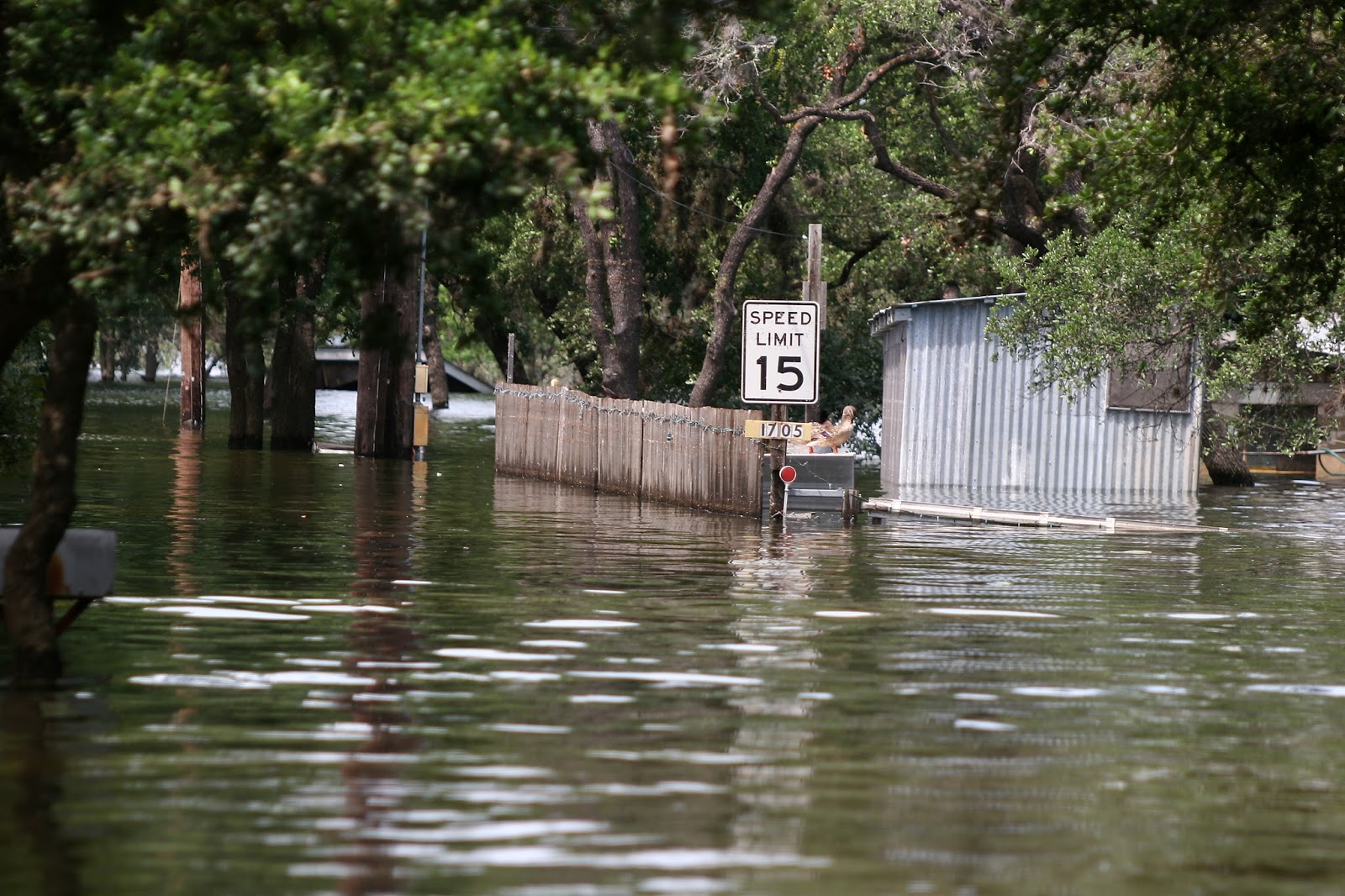
We’ve all seen the tragic news about the flooding in Texas and on the Plains. More than 20 people have lost their lives in the state and in Oklahoma since last weekend with others missing and many homes and businesses across the area destroyed.

Floods can happen anywhere and at times we don’t expect. We all need to know how to prepare. With a little effort, we can all be ready for floods.
Photo: Bob McMillan // FEMA Photo

Getting ready starts before the first drop of rain. Floods can happen even if they haven’t hit your area before, according to Ready.gov. Check with your city or town to see if there is a plan in place in case of floods.

When there is a risk of a flood, it’s always important to listen to authorities. Make sure to have a battery-powered radio to listen for updates in case you lose power. Local leaders will keep you posted with the news. They’ll also let you know if you need to head to higher ground or if you should stay put.

Floods can contaminate your tap water. The Centers for Disease Control and Prevention warns that flood waters can carry dangerous chemicals and bacteria, so make sure you have plenty of clean, safe bottled water. The Federal Emergency Management Agency recommends having at least a three-day supply of food and water for your entire house.

Have an emergency stockpile for home stored somewhere it will be safe if waters rise. Keep a bag full of supplies such as flashlights, extra batteries, a first-aid kit, medications and non-perishable food, in case you have to leave quickly. If you have canned food, make sure to include a manual can opener.
Photo: Bob McMillan // FEMA Photo

After the flood, make sure your house is safe before going back in. Watch out for mosquitoes that live near standing water. Talk to your family or a friend if you feel stressed or anxious.

Floods are scary, but with the right preparation we can all stay safe. For more ways to prepare, check out our floods fact sheet on the Get Ready campaign website.

Friday, March 22, 2013

Flood safety awareness: What to do to get ready

Photo by Liz Roll/FEMA
True or false? Floods only happen during hurricanes and in places close to sea level.
Answer: False. The truth is that floods can occur in unexpected places. According to the National Weather Service, flooding can occur in any state at any time of the year. That means you should be prepared for a flood emergency even if you don’t live close to the water.
Floods are serious business: They cause an average of $5 billion in damage annually and about 100 deaths. The majority of those deaths occur while driving, particularly during flash floods. Flash floods can be the most dangerous because they happen with little warning.
This is National Flood Safety Awareness Week, sponsored by the National Weather Service. The week is a great opportunity to make sure you and your family are ready for a flood emergency.
Here are some things you should keep in mind:
  • Do not try to cross flooded areas — the water may be deeper and moving more swiftly than it appears. If your car gets stuck in a flood, do not open the car door. Try to climb out through car windows, if possible.
  • Keep up to date on tetanus shots in case you are hurt during a flood. Adults need a tetanus booster shot every 10 years.
  • Store nonperishable food in waterproof containers in a high place. Stock one gallon of bottled water per day per person in your household, and plan on at least three days of supplies.
  • During post-flood cleanup, wear gloves and regularly wash hands in clean water — boiled, if from the tap — and soap.
Check out our Get Ready flood fact sheet so you’ll know what to do before, during and after a flood happens. Come high water, you’ll be ready!

Thursday, July 19, 2012

USDA declares biggest natural disaster in history

Did you know we’re in the middle of the largest natural disaster in U.S. history?

This week, the U.S. Department of Agriculture declared that more than 1,000 U.S. counties are federal disaster areas. That’s more than 50 percent of U.S. territory.

The cause? A major drought that’s affecting at least 26 states. Droughts occur when an extended period of dry weather causes water shortages and sometimes damages crops.


The American Red Cross has a list of steps you can take to prepare for a drought.

During a drought, local officials may announce restrictions on water usage, such as not watering your lawn or washing your car. Check with your local government or water company to find the latest information.  

Is your area affected by the drought? Do you have any advice for coping with water restrictions? Share your stories in the comments below!